Date by geological age
For fossils and rocks: Jurassic, Cretaceous, Devonian. The timeline orders all objects by their date, geological ages included.
Record the find spot
A find spot with coordinates, or a place name. The place appears on a map that works without a network as soon as coordinates are known.
Note the acquisition
Date, source, price with currency and a note. The date may be just a year.
Nest locations
Shelves, cabinets and boxes, as deep as needed, with the moves of every object in its history.
Sample objects
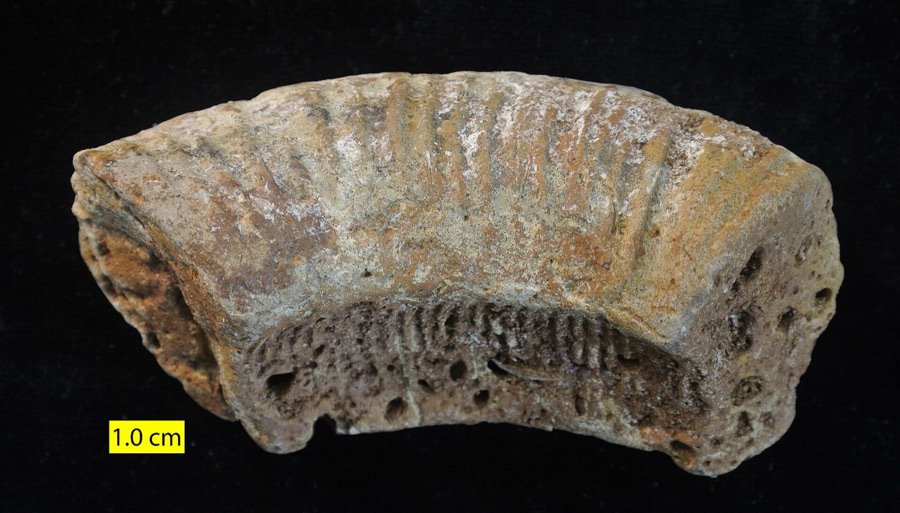
“Ammonite from Faringdon”, category Fossil, geological age Cretaceous, description “Large fragment, chambers clearly visible”, origin Faringdon with coordinates, acquired in 2015 at a mineral fair, location Box 12, previously Shelf B.
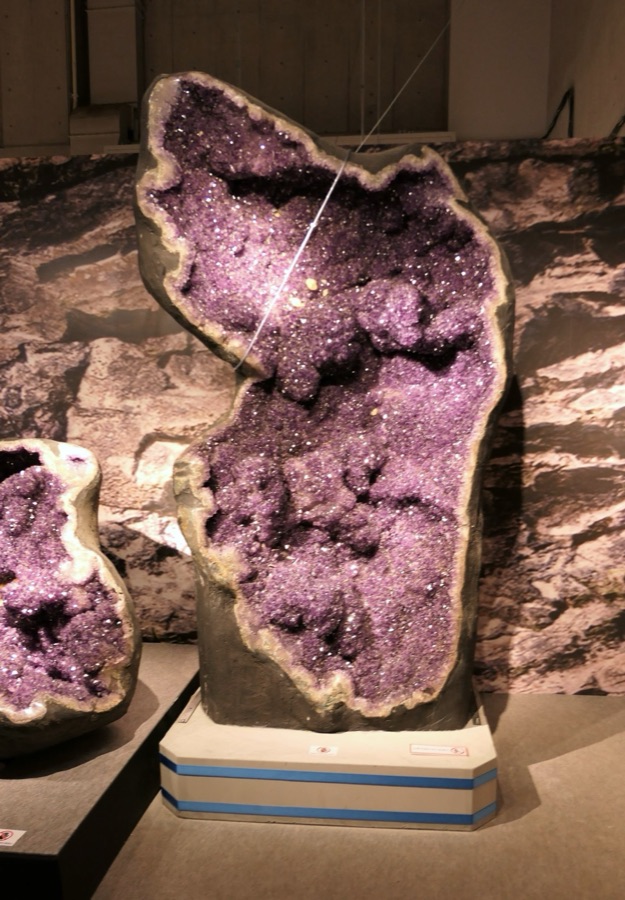
Alongside it “Amethyst geode” as a mineral without a geological age. The details are demo data, not a real collection.
Frequently asked questions
- Which geological ages are there? Jurassic, Cretaceous and Devonian are examples from the list. The full list is in the app.
- Can a mineral have no geological age? Yes, the field is optional.
- Where is the data stored? As a folder with a text file in iCloud Drive.
Related: All collecting areas, Document an object, iCloud Drive and devices