What belongs in a record?
- Title and description. What it is, in one sentence, then the particulars.
- Date. As precise as known, also “circa 1900”.
- Origin. Find spot, place or previous owner, also “from grandmother’s estate”.
- Acquisition. Date, source, price, a note.
- Dimensions. Height, width, depth or diameter with unit, noted exactly as measured.
- Material and technique.
- Condition. With the date checked, so it is visible when someone last looked.
- Location. The full path, such as “Basement › Shelf B › Box 12”.
- Photos. Overall view, back, marks and stamps, damage.
- Documents. File the invoice, certificate or appraisal with the object.
- Inventory number. See Assigning inventory numbers.
Checklist
[ ] Title and description
[ ] Date (approximate is allowed)
[ ] Origin
[ ] Acquisition with date and source
[ ] Dimensions with unit
[ ] Material and technique
[ ] Condition with date checked
[ ] Location
[ ] Photos: overall, back, marks, damage
[ ] Documents with the object
[ ] Inventory number
What this looks like in DAS MUSEUM
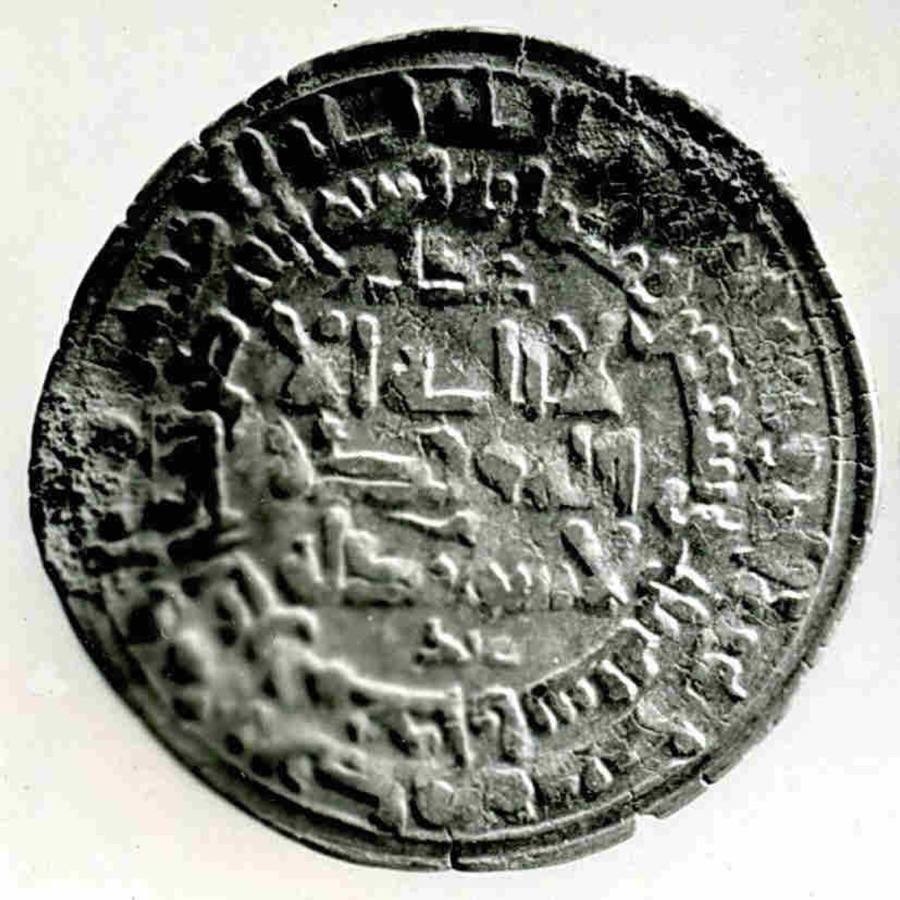
“Silver coin, Buyid”: description “Dirham with Kufic inscription, slightly clipped”, date as a span, origin Shiraz with coordinates, acquired in 2016 by trade, location Chest of Drawers, previously Box 12. The move appears in the history with date and reason: “New acquisition”, “Reorganization”. The details are demo data, not a real collection.
For insurance
The “Object ID” section in the insurance sheet is named after the international Object ID standard, which was developed to describe cultural property and to recover it after a theft.
Related: Assigning inventory numbers, Coins, Fossils and minerals